Fulfillment Time Estimator for Delivery Planning
68% of shoppers abandon carts over unclear delivery dates. Accurate fulfillment time estimates boost conversions and cut WISMO tickets. Get the calculator →
Hylke Reitsma is co-founder of Forthsuite and a supply chain specialist with 8+ years of hands-on experience at Shell, Verisure, and Stryker. He holds an MSc in Supply Chain Management from the University of Groningen and writes practical guides to help e-commerce teams run leaner, faster supply chains. Selected by Replit as 1 of 20 founders for the inaugural Race to Revenue Cohort #1 (2026) and certified as a Replit Platform Builder.
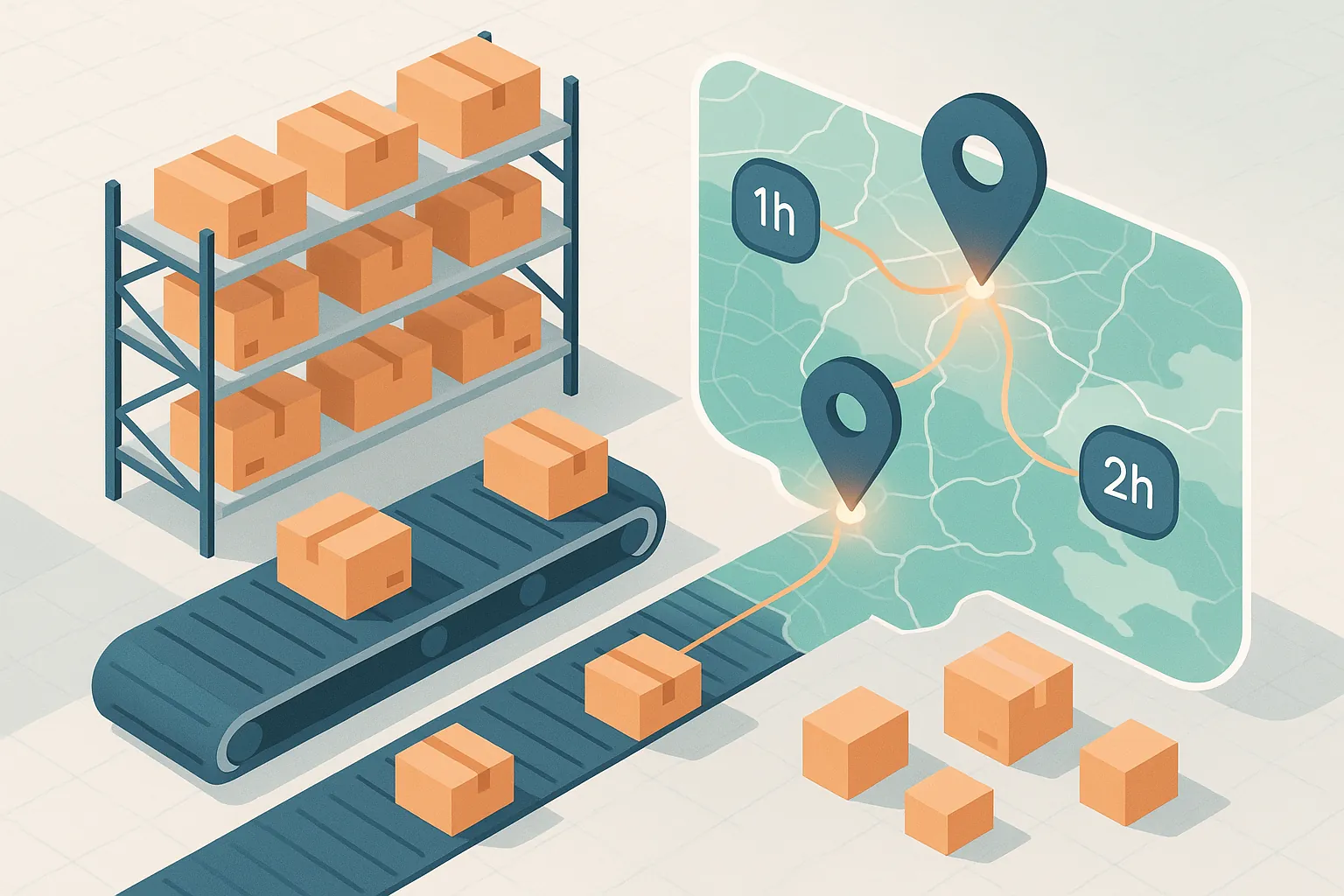
Fulfillment Time Estimator for Delivery Planning
TL;DR: A fulfillment time estimator calculates expected delivery dates by combining processing duration, shipping method, and destination to help e-commerce businesses set accurate customer expectations. Forthmatch helps Shopify operators optimize delivery planning by matching them with reliable 3PL partners and continuously monitoring fulfillment performance to ensure consistent shipping timelines.
Plan Smarter with a Delivery Time Calculator
In the fast-paced world of online shopping, knowing when your package will arrive can make all the difference. Whether you're an e-commerce seller managing customer expectations or a buyer eagerly awaiting a purchase, having a reliable way to predict shipping timelines is invaluable. Tools that estimate arrival dates based on location, shipping method, and processing durations help streamline planning and reduce uncertainty.
Why Delivery Estimates Matter
Unexpected delays can frustrate customers and disrupt business operations. By using a shipping calculator, you can account for variables like transit times across regions, weekends, and even holidays. For instance, standard domestic shipping might take 3-5 days, while expedited options could cut that down to 1-3 days. These tools often pull from average data for carriers and adjust for non-business days, ensuring the predicted range is as realistic as possible. Plus, they often include disclaimers about external factors like weather, so you're never caught off guard. If you're in the e-commerce space, integrating such a feature on your site—or using one yourself—can boost transparency and trust with every order.
FAQs
How accurate is this Fulfillment Time Estimator?
Our tool uses average shipping durations based on mock data for different regions and carriers, so it’s a solid estimate. That said, real-world factors like weather, holidays, or unexpected carrier delays can affect the actual delivery. We include a buffer for weekends and holidays, and we always show a range (like 3-5 days) to give you a realistic window. For the best results, double-check with your carrier if timing is critical!
What if I don’t know the exact processing time for my order?
No worries! If you’re unsure about the processing time, we’ve got you covered with a default range of 1-2 business days, which is pretty standard for most e-commerce orders. If your seller provides a specific timeframe, you can input that for a more tailored estimate. Either way, we’ll combine it with transit times to predict your delivery window.
What happens if I enter incomplete location data?
If the location info for your order or destination is missing or invalid, the tool will prompt you to fill in the gaps. We need at least a city, state, or country to calculate transit times accurately. Just pop in the correct details, and we’ll get right back to estimating your delivery range. It’s a quick fix to keep things on track!
Building Fulfillment Time Estimates Into Your Shopify Store
For Shopify merchants, integrating a fulfillment time estimator directly into your checkout or product pages removes guesswork and reduces post-purchase support inquiries. Rather than forcing customers to calculate delivery windows themselves, you can display realistic timelines based on their location and your current processing capacity. This transparency often leads to fewer complaints about "delayed" shipments—customers simply had accurate expectations from the start.
The key is feeding your estimator with real data: your actual average processing times (not best-case scenarios), the shipping methods you genuinely offer, and carrier transit times for the regions you serve. If you partner with a 3PL provider like Forthmatch, you gain visibility into warehouse processing times and can adjust estimates if demand spikes or inventory levels dip. A merchant handling 50 orders daily will have different processing windows than one handling 500, so your estimates should reflect your operation's true capacity.
Common Pitfalls in Fulfillment Estimation
Many e-commerce operators overestimate their ability to ship quickly, leading to estimates that consistently miss deadlines. Setting a 1-business-day processing window when your team typically needs 2–3 days creates chronic overselling. Instead, be conservative: if you usually ship within 2 business days, estimate 2–3 to account for inventory issues, staff absences, or order surges.
Another mistake is ignoring regional differences. Shipping from a West Coast warehouse to the East Coast takes longer than regional deliveries, and customers in remote areas often experience extended transit times. If your estimator doesn't adjust for destination, you'll appear unreliable to customers in slower-to-reach regions, even if your processing time is stellar.
Finally, many merchants forget to account for weekends and holidays. A package shipped on Friday afternoon won't reach a customer until the following week, but some estimates reset the clock on Monday, creating false expectations. A robust estimator excludes non-business days and carrier holidays from its calculations.
What Should You Track to Improve Estimates?
To refine your fulfillment time estimates over time, monitor these metrics consistently:
- Processing time by order type: Do wholesale orders take longer to pick and pack than single-item retail orders? Track them separately.
- Actual vs. estimated delivery: Compare what you promised to what actually happened. If you consistently beat your estimate, you can tighten it slightly to stay competitive. If you regularly miss, widen the window.
- Carrier performance by region: Some carriers excel on certain routes. If USPS regularly outperforms your estimate for Northeast deliveries, adjust accordingly.
- Seasonal variations: Holiday periods, back-to-school, and peak retail events often strain fulfillment capacity. Your estimator should reflect seasonal slowdowns.
- Inventory levels: When stock runs low, picking times increase. If you use a 3PL, ask for alerts when items are understocked so you can adjust estimates proactively.
Can a Fulfillment Time Estimator Reduce Customer Service Costs?
Yes—but only if customers actually see and trust the estimate before purchase. Displaying clear delivery windows at checkout, in order confirmation emails, and in your customer portal sets expectations upfront. When customers know a package will arrive in 5–7 business days, fewer call in after day 4 asking where their order is.
Additionally, accurate estimates help you manage returns and customer satisfaction more strategically. If you promise 2–day delivery and consistently hit it, customers perceive your service as premium, even if your product prices are competitive. Conversely, overpromising and underdelivering—whether by days or just hours—erodes trust and generates support tickets.
For merchants using Shopify, leveraging SLA alerts and fulfillment analytics from your 3PL partner ensures your estimator stays grounded in reality. When actual processing times start drifting from your estimates, you'll know immediately and can adjust customer-facing timelines before disappointments accumulate.
Find and compare the right 3PL for your Shopify store — Forthmatch.
About the Author

Hylke Reitsma is co-founder of Forthsuite and a supply chain specialist with 8+ years of hands-on experience at Shell, Verisure, and Stryker. He holds an MSc in Supply Chain Management from the University of Groningen and writes practical guides to help e-commerce teams run leaner, faster supply chains. Selected by Replit as 1 of 20 founders for the inaugural Race to Revenue Cohort #1 (2026) and certified as a Replit Platform Builder.
LinkedIn